Decorative Figurines: From Concept to Mass Production
Shenzhen Xiexing Gift Co., Ltd
_1784103723073.webp)
Contents
!Decorative Figurines: From Concept to Mass Production_1784103723073.webp)
Creating custom decorative figurines is a powerful way for brands, museums, and event organizers to establish a tangible connection with their audience. Whether used as collectibles, corporate gifts, or retail merchandise, these items carry significant brand value. However, navigating the journey from a rough concept to a finished product involves complex decisions regarding materials, tooling, and production minimums.
As a specialized manufacturer with over 15 years of experience, we have streamlined this process to ensure efficiency and quality. This guide outlines the complete workflow for figurine manufacturing, helping buyers understand the technical and commercial considerations involved in bringing a design to life.
The Manufacturing Workflow: From 3D Design to Prototyping
The production of high-quality custom figurines begins long before the raw materials are poured. It starts with precise design engineering.
1. Design Validation and 3D Modeling
The first step is translating a 2D concept art into a 3D model. This stage is critical for identifying structural weaknesses that might not be visible on paper. At Xiexing Gift, we offer free design consultation to ensure that the model is not only aesthetically pleasing but also structurally sound for manufacturing.
2. Prototyping
Once the 3D render is approved, a prototype is created, often using high-resolution 3D printing or hand-sculpting for intricate details. This "golden sample" serves as the master model for production. It allows stakeholders to verify the dimensions, texture, and weight before committing to tooling.
Material Selection: Resin vs. Polyresin
Choosing the right material is one of the most impactful decisions in the production of resin figurines. While "resin" is often used as a catch-all term, there are distinct differences between materials that affect durability, detail, and cost.
Polyresin (Polystone)
Polyresin is a mixture of resin and powdered stone additives. It is the industry standard for high-end decorative figurines because it offers a heavier, premium feel.
- Advantages: Allows for incredible detail capture; heavier weight implies quality; paint adheres well.
- Best For: Collectibles, museum souvenirs, and desktop statues.
PVC and Alternative Materials
For items requiring more flexibility or durability (such as keychains or outdoor-safe items), PVC or zinc alloy might be recommended. However, for static display pieces, resin remains the preferred choice for its superior finish.
Comparison of Common Figurine Materials
| Feature | Polyresin | PVC | Zinc Alloy |
|---|---|---|---|
| Detail Level | Very High | Medium | High |
| Durability | Fragile (can chip) | Flexible/Durable | Very Durable |
| Weight | Heavy/Premium feel | Light | Heavy/Metallic |
| Best Use Case | Collectibles, Souvenirs | Toys, Keychains | Medals, Keychains |
Understanding Tooling and MOQ
One of the most frequent questions we encounter regards the cost of tooling and the flexibility of order quantities.
Tooling Investment
Creating a mold (or tool) is a necessary upfront cost. The complexity of the figurine—such as the number of undercuts, the size, and the required cavities—dictates this cost. Generally, tooling costs for custom projects can range from $500 to $2,000. Unlike trading companies that may outsource this, owning the mold ensures you have control over future production runs.
Minimum Order Quantities (MOQ)
MOQs exist to cover the setup costs of production lines. For figurine manufacturing, standard MOQs typically range from 100 to 500 units. However, we understand that brands often need to test market reception before committing to large volumes.
We support small-batch customization to reduce inventory pressure for our clients. For specific details on how we structure these orders, you can refer to our MOQ & Pricing FAQ, which outlines flexibility for trial orders and multi-SKU projects.
Common Pitfalls in Figurine Production
Even with a solid design, production can face hurdles. Being aware of these common issues can save time and budget.
- Ignoring Structural Support: Figurines with thin legs or extended arms are prone to breakage during demolding or shipping. Designing with manufacturing constraints in mind is essential.
- Underestimating Packaging Needs: A beautiful figurine is useless if it arrives broken. Custom packaging (foam inserts, window boxes) must be designed concurrently with the product.
- Paint Application Variance: Hand-painted details can vary slightly between batches. Establishing a "Golden Sample" and strict QC standards (like our multi-point inspection process) ensures consistency across large runs.
Why Partner with Xiexing Gift?
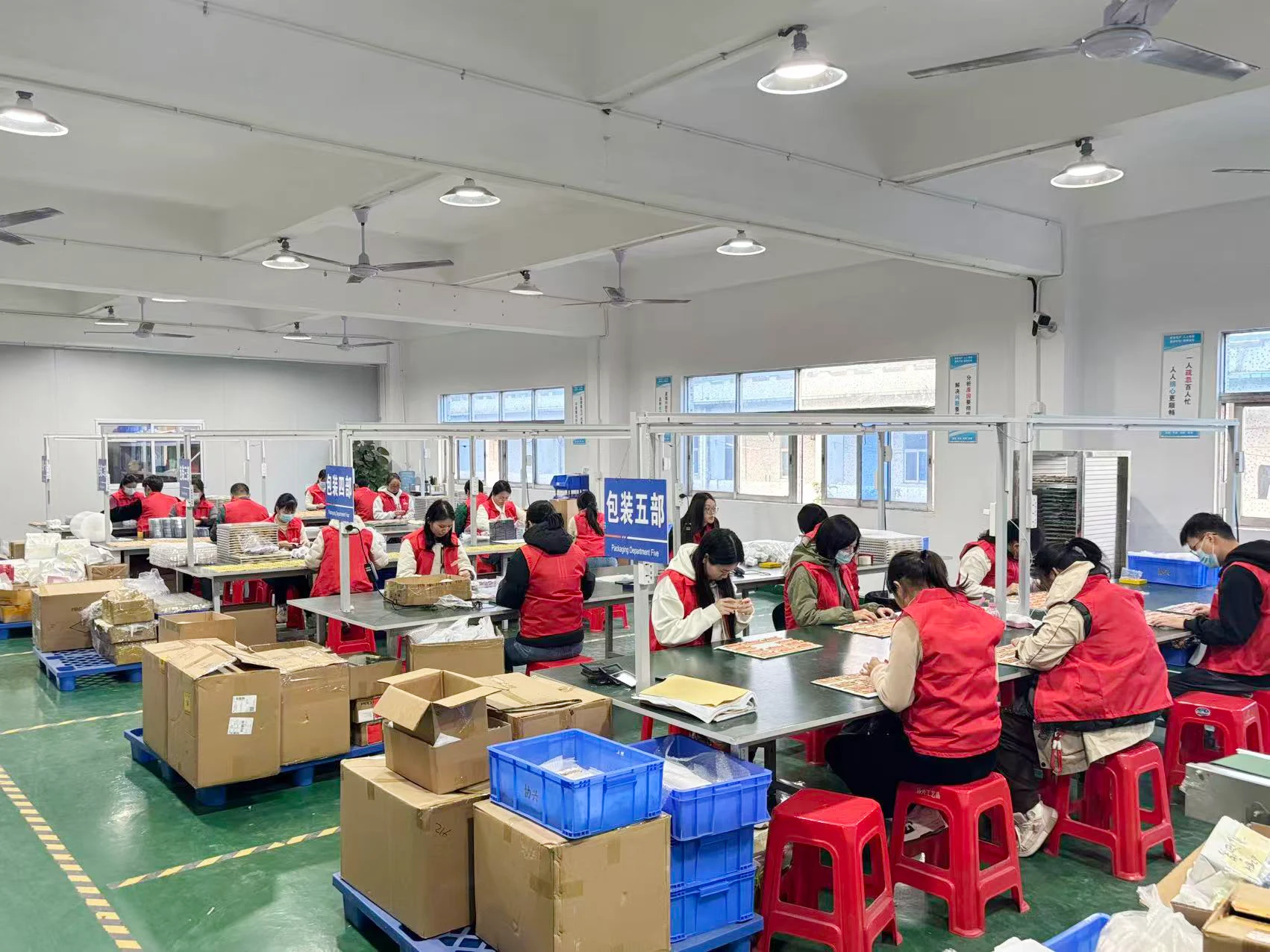
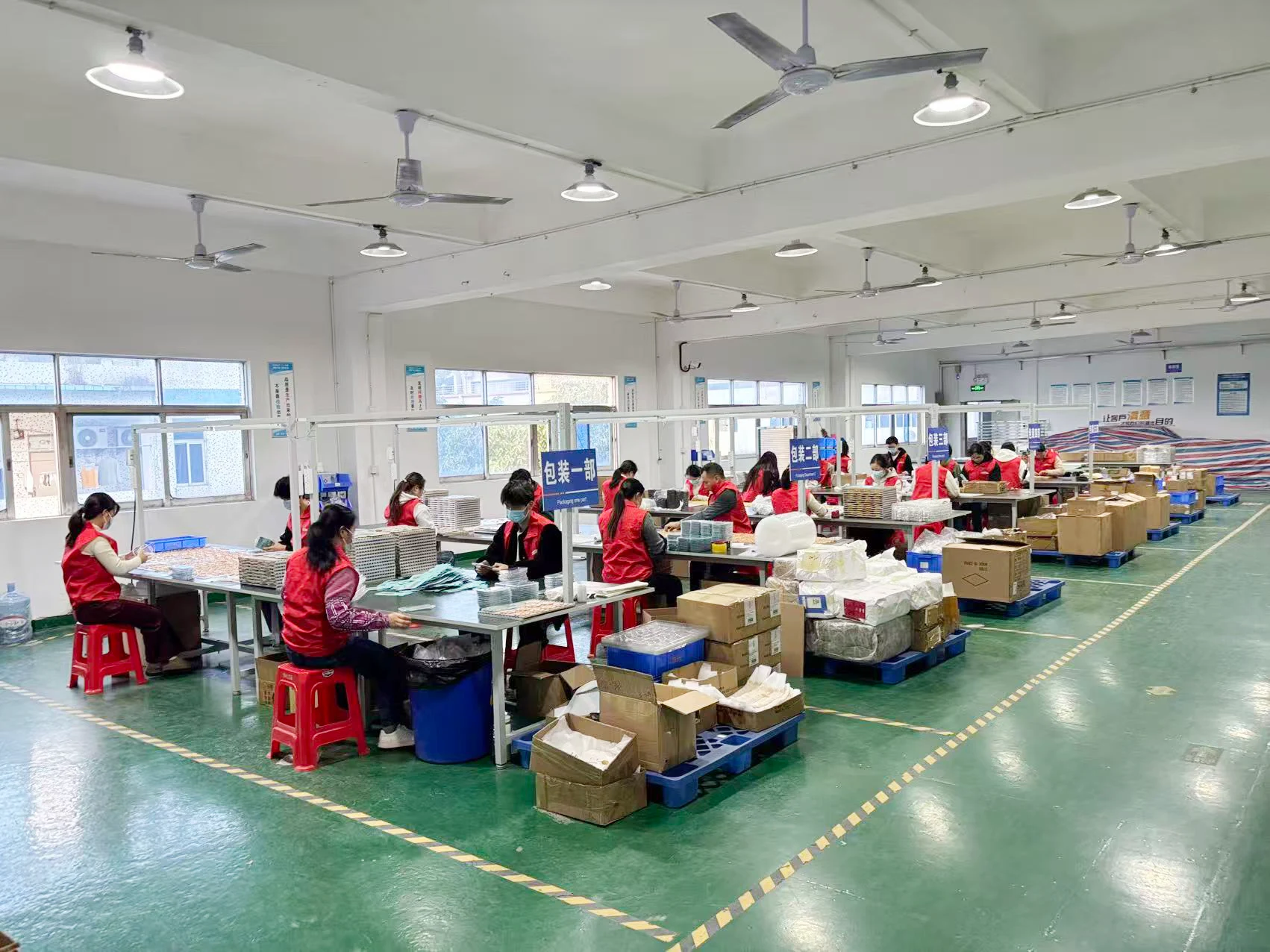
Choosing a partner for custom figurines requires looking beyond the price tag. As a manufacturer based in Shenzhen with a 6,000 m² self-owned factory, Xiexing Gift offers distinct advantages:
- In-House Capabilities: We handle stamping, die-casting, enameling, and assembly in-house, ensuring strict quality control and faster lead times (3-7 days for samples).
- Compliance and Trust: We are SEDEX 4P audited and ISO 9001 certified, serving over 20 museum partners and global brands.
- Comprehensive Service: From free design consultation to ethical trade compliance, we provide a one-stop solution for cultural creative gifts.
To learn more about our history, factory capabilities, and commitment to ethical trade, visit our About Us page.
Share this entry
FAQ
Further Reading
Decorative Figurines: From Concept to Mass Production !Decorative Figurines: From Concept to Mass Production_1784103723073.webp) Creating custom decorative figurines is a powerful way for brands, museums, and event organizers to establish a tangible connection with their audience. Whether used as collectibles, corporate gifts, or retail merchandise, these items carry significant brand value. However, navigating the journey from a rough concept to a finished product involves c
_1784103745596.webp)