Keychain Manufacturing Processes: Stamping, Die-Casting, and Laser Marking
Shenzhen Xiexing Gift Co., Ltd
Contents
!Keychain Manufacturing Processes: Stamping, Die-Casting, and Laser Marking
When sourcing custom keychains for corporate branding or retail, understanding the nuances of manufacturing technology is critical. The choice between stamping, die-casting, and laser marking directly impacts the unit cost, production timeline, and the final aesthetic of the product. As a manufacturer with over 15 years of experience in metal craftsmanship, we often guide clients through these technical decisions to ensure the final product aligns with their budget and design vision.
This guide breaks down the three core technologies used in keychain manufacturing, helping you make informed procurement specifications.
Metal Stamping: Efficiency and Durability
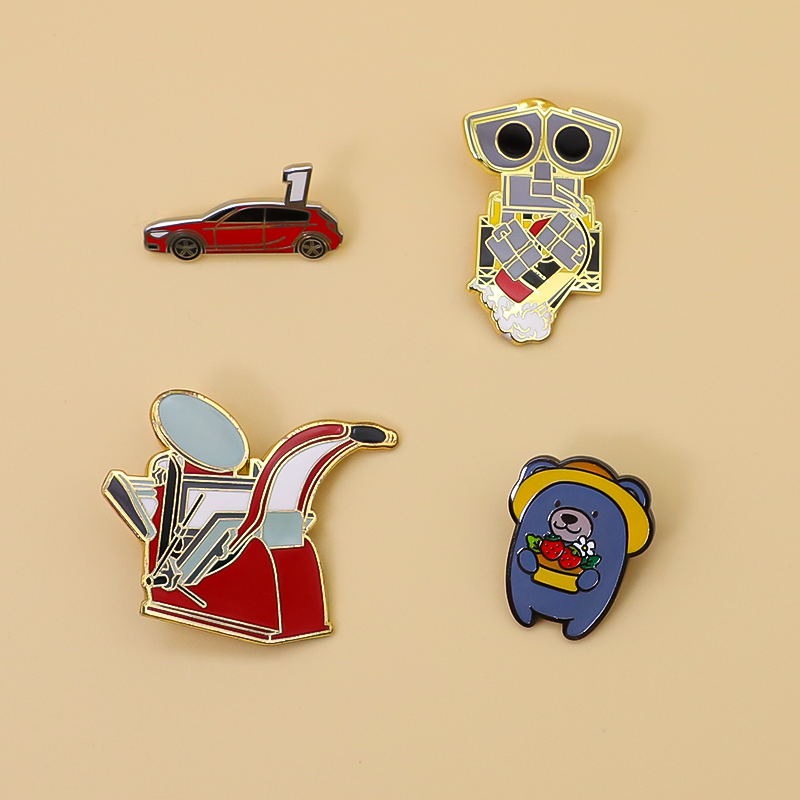
Metal stamping is the most common high-volume production method for flat or 2D/2.5D designs. It involves placing a flat metal sheet into a press where a tool and die set deforms the metal into the desired shape.
The Stamping Process
In our facility, stamping is often the first choice for simple shapes like circles, squares, or custom outlines. The process creates a "die-struck" effect where the design is pressed into the metal.
- Pros: High production speed, lower unit cost for large runs, and exceptional durability. The metal structure remains intact, making the keychain highly resistant to breaking.
- Cons: Limited to relatively simple geometries. While 3D embossing is possible, deep or complex undercuts cannot be achieved with standard stamping.
Best For: Corporate giveaways, standard promotional items, and designs requiring soft or hard enamel fill.
Die-Casting Keychains: Complex 3D Realization
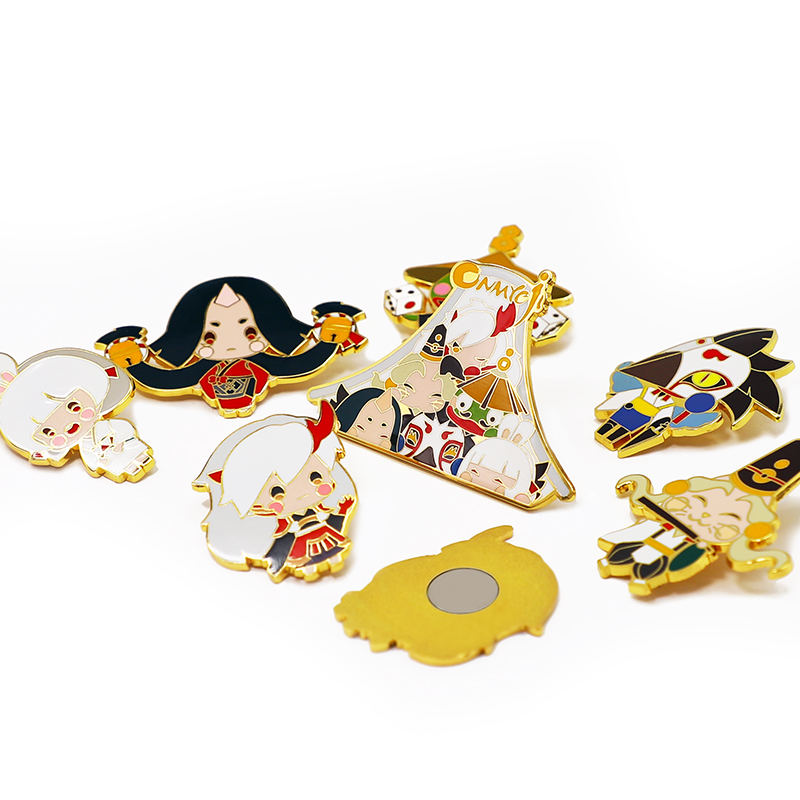
When a design demands intricate three-dimensional detail, die-casting is the superior choice. This process involves injecting molten metal (typically zinc alloy) into a mold under high pressure.
Why Choose Die-Casting?
Die-casting allows for "sculptural" designs that are impossible to achieve with stamping. If your logo features a mascot, a detailed building, or a character figure, die-casting captures these nuances perfectly.
- Pros: Enables complex 3D shapes, sharp corners, and textured surfaces. It allows for "cut-out" designs without a backing plate.
- Cons: Higher initial mold costs and slightly slower production cycles compared to stamping.
According to our production data, die-casting typically costs 20-30% more per unit than stamping, but enables complex 3D designs unsuitable for flat stamping processes. This premium is often justified by the premium look and feel of the final product, which elevates brand perception.
Best For: Souvenirs, collectible merchandise, gaming peripherals, and high-end brand premiums. For specific application ideas, refer to our Product & Applications FAQ.
Laser Marking: Precision and Personalization
While stamping and die-casting define the shape, laser marking defines the detail. This technology uses a high-power laser beam to alter the surface of the material, creating permanent marks without physical contact.
Applications of Laser Marking
Laser marking is versatile and serves two primary functions in keychain manufacturing:
- Serialization: Engraving unique serial numbers or QR codes for tracking or authentication.
- Personalization: Adding individual names or dates to batch orders, a popular request for wedding favors or employee recognition gifts.
Unlike printing, laser marking does not wear off. It creates a permanent bond with the metal substrate, ensuring the information remains legible for the product's lifetime.
Best For: Adding fine details, text, or variable data to stamped or die-cast keychains.
Process Comparison: A Quick Guide
Selecting the right process depends on your specific project requirements. Use the table below to weigh the trade-offs.
| Feature | Metal Stamping | Die-Casting | Laser Marking |
|---|---|---|---|
| Design Complexity | Flat / 2.5D | Complex 3D | Surface Level |
| Unit Cost | Low | Moderate | Low (add-on) |
| Mold Cost | Moderate | High | None |
| Production Speed | Very Fast | Moderate | Fast |
| Durability | Excellent | Good | Permanent |
| Ideal Volume | 1,000+ pcs | 500+ pcs | Any volume |
Manufacturing Capabilities at Xiexing Gift
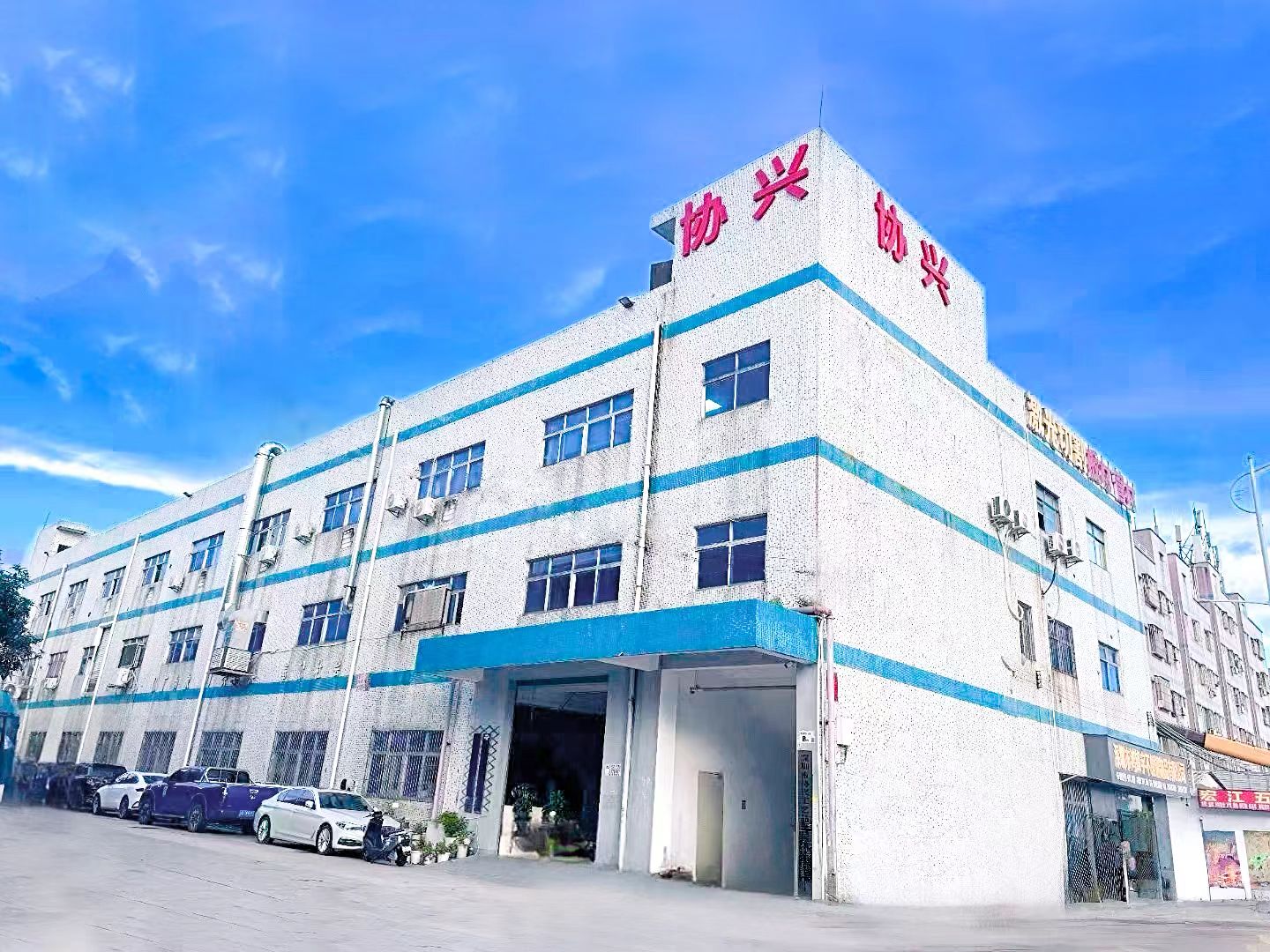
At Shenzhen Xiexing Gift Co., Ltd, we integrate these technologies into a seamless production workflow. Our facility is equipped with advanced machinery for stamping, die-casting, and precision laser marking, allowing us to handle diverse customization needs under one roof.
- In-House Production: We operate a ~6,000 m² factory with 5 specialized production lines. Unlike trading companies, we control every step, from mold making to final inspection.
- Flexible MOQ: We support small-batch customization with an MOQ starting from just 100 pieces, making professional manufacturing accessible for smaller campaigns.
- Quality Assurance: Our processes are ISO 9001 certified, and we adhere to strict ethical standards verified by SEDEX 4P audits.
Whether you need cost-effective stamped keychains for a trade show or intricate die-cast collectibles for a museum store, our team provides the technical expertise to bring your vision to life. To learn more about our history and capabilities, visit our About Us page.
Share this entry
FAQ
Further Reading
Keychain Manufacturing Processes: Stamping, Die-Casting, and Laser Marking !Keychain Manufacturing Processes: Stamping, Die-Casting, and Laser Marking When sourcing custom keychains for corporate branding or retail, understanding the nuances of manufacturing technology is critical. The choice between stamping, die-casting, and laser marking directly impacts the unit cost, production timeline, and the final aesthetic of the product. As a manufacturer with over 15 years of expe