Complete Guide to Custom Badges for Corporate Branding
Shenzhen Xiexing Gift Co., Ltd
Contents
!Complete Guide to Custom Badges for Corporate Branding
In the landscape of corporate identity and brand promotion, few items possess the versatility and enduring appeal of custom badges. From employee recognition programs to high-end promotional merchandise, these small yet significant artifacts serve as tangible representations of a company's ethos. For brand managers and procurement professionals, understanding the nuances of badge manufacturing is essential to making informed decisions that balance aesthetics, durability, and budget.
With over 15 years of experience in the cultural creative gift industry, we have witnessed the evolution of badge production from simple stamped metals to complex, multi-process art pieces. This guide aims to demystify the selection process, offering a deep dive into materials, manufacturing techniques, and strategic applications for corporate badges.
The Strategic Value of Corporate Badges
Corporate badges are more than mere accessories; they are tools for engagement and retention. When designed effectively, they bridge the gap between a brand and its audience. Whether used internally for employee tenure awards or externally for event souvenirs, the perceived value of a badge relies heavily on its material quality and craftsmanship.
A well-manufactured badge acts as a lasting touchpoint. Unlike paper business cards or disposable flyers, metal badges often remain with the recipient for years, serving as a constant reminder of the brand. This longevity makes the initial investment in high-quality badge manufacturing a cost-effective strategy for long-term brand visibility.
Decoding Badge Types: Materials and Finishes
One of the most critical decisions in the customization process is selecting the right material and finish. Badge materials vary significantly in durability and cost: stamped metal offers economy, die-cast provides detail, and enamel delivers premium finish. Understanding these distinctions is vital for aligning the product with the intended use case.
Stamped Metal Badges
Stamping, or die-striking, is a traditional method where a metal sheet is pressed into a die. This process is highly efficient for producing large quantities of simple designs. Stamped badges are typically thinner and lighter, making them ideal for promotional giveaways where cost-efficiency is a priority. They can be plated in gold, silver, or bronze to achieve a premium look without the associated weight.
Die-Cast Badges
For designs requiring high relief or intricate 3D details, die-casting is the preferred method. Molten metal is injected into a mold, allowing for greater dimension and a heavier, more substantial feel. Die-cast corporate badges are often chosen for awards and commemorative items where the "heft" of the product adds to its perceived value. This method captures fine lines and small text better than stamping, offering a high degree of fidelity to the original design.
Enamel Badges: Soft vs. Hard
Enamel badges represent the gold standard in decorative metalware. They are categorized primarily into soft enamel and hard enamel (or epola).
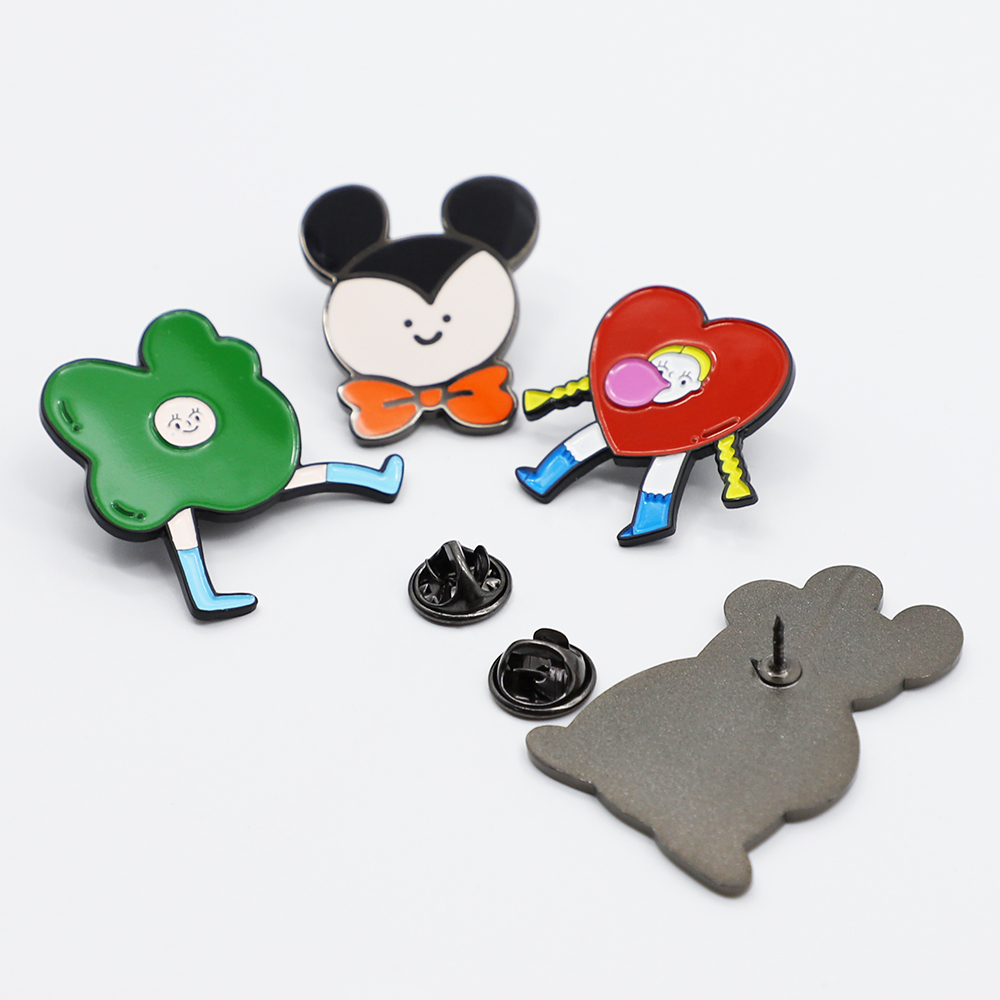
- Soft Enamel: This style features recessed enamel filled with color, leaving the metal lines raised. The texture is tactile, with a distinct "bumpy" feel where the metal ridges meet the color. Soft enamel allows for vibrant colors and is generally more cost-effective than hard enamel. It is an excellent choice for corporate badges that require a distinct, colorful design without a premium price tag.
- Hard Enamel: In this process, the enamel is filled to the surface and then polished flat, resulting in a smooth, durable finish. Hard enamel badges are scratch-resistant and have a jewelry-like quality. They are the preferred choice for high-end corporate gifts and recognition awards where longevity and a flawless finish are paramount.
To better understand the technical specifications and durability differences between these materials, you can refer to our Materials & Process FAQ, which details the pros and cons of each technique.
The Badge Manufacturing Process
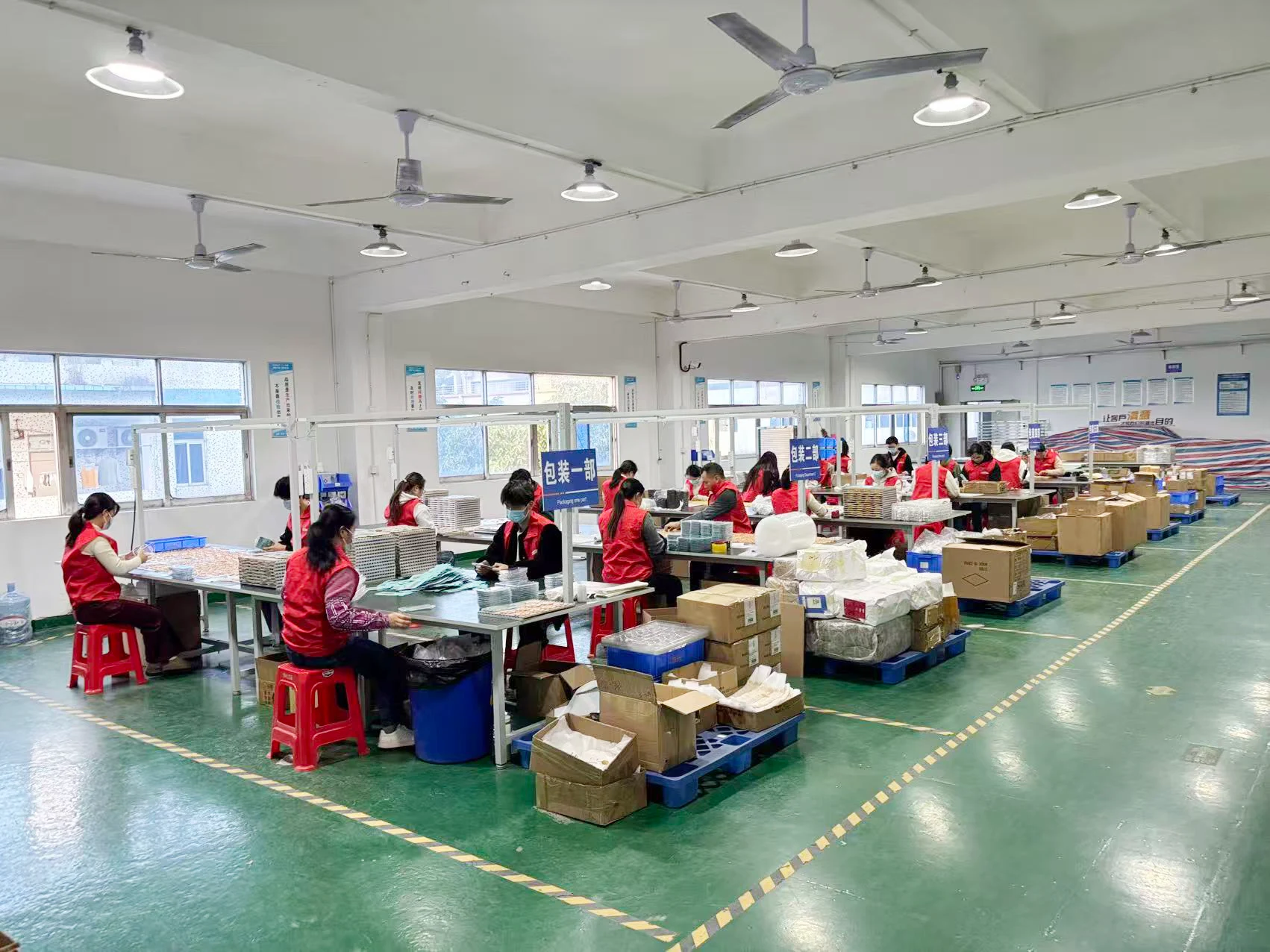
The journey from concept to finished product involves several precise steps. At Xiexing Gift, we emphasize a one-stop service model to ensure quality control at every stage.
- Design Consultation: Every project begins with a design. Our team offers free design consultation to ensure the artwork is optimized for production. This involves adjusting line thickness for metal casting or selecting the right color palette for enamel filling.
- Mold Making: The mold is the blueprint of the badge. Whether it's a stamping die or a casting mold, precision here defines the final product's clarity.
- Production: Depending on the chosen method (stamping, die-casting, or injection for plastic alternatives), the base metal form is created.
- Coloring & Finishing: Enamel is injected by hand or machine, and plating is applied. Advanced techniques like 3D embossing or laser engraving can be added at this stage to enhance the visual appeal.
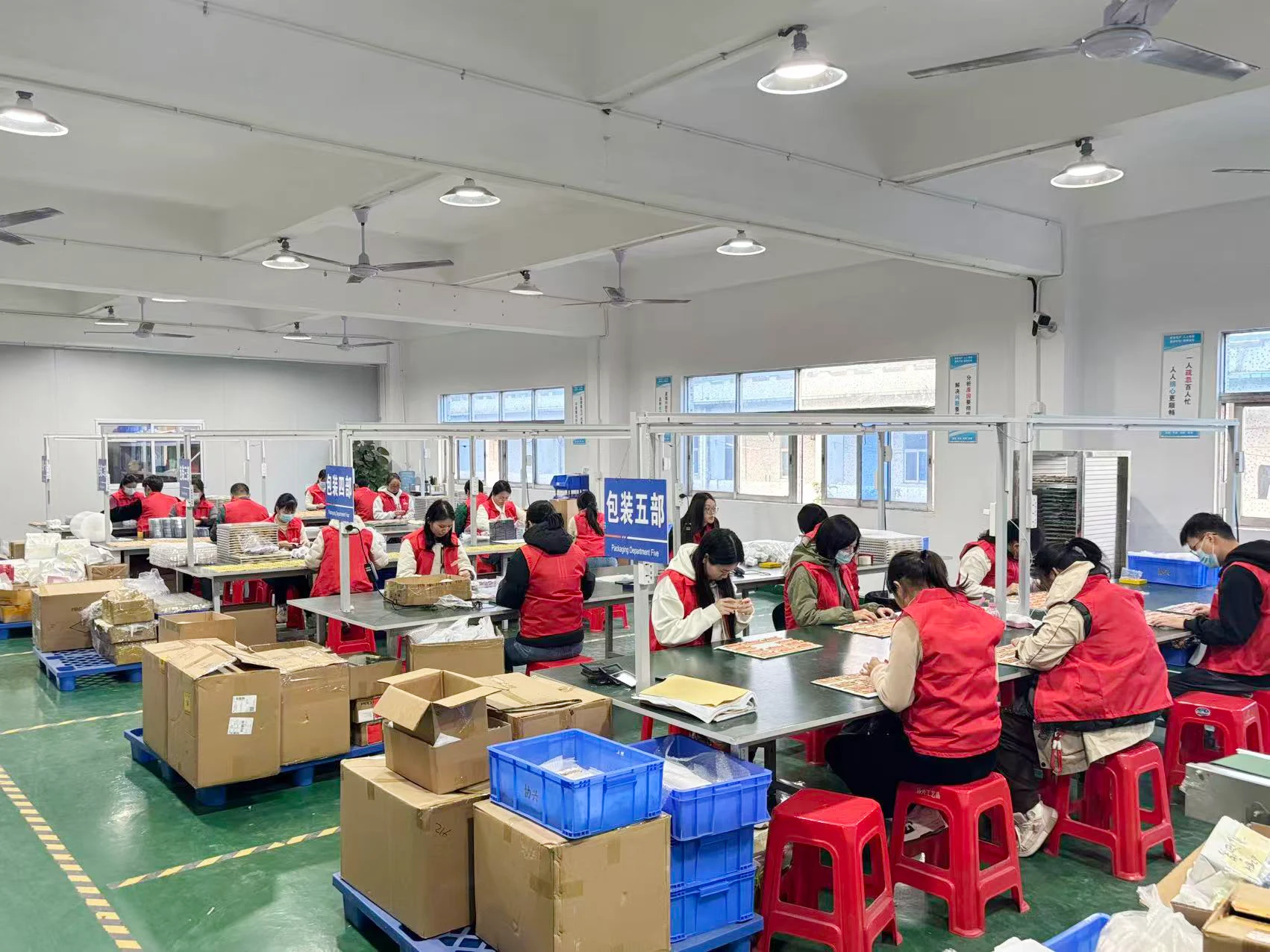
- Quality Control & Packaging: A multi-point inspection is conducted before shipping. We offer various packaging options, from simple polybags to custom velvet boxes, ensuring the unboxing experience matches the quality of the badge.
Customization Options Beyond the Basics
Modern badge manufacturing offers a plethora of customization options to make corporate badges truly unique. Beyond standard shapes and sizes, brands can utilize:
- 3D Embossing: Creating a dynamic, multi-layered look that catches light differently.
- Dual-Injection Molding: Combining two different materials or colors in a single badge, often used for PVC or silicone-based products.
- Laser Marking: For adding serial numbers or individual names, making each badge unique.
- Special Plating: Antique finishes, matte effects, or dual-plated looks (e.g., gold with silver accents) can dramatically alter the aesthetic.
These options allow brands to differentiate themselves in a crowded market. For instance, a gaming company might use 3D embossing to replicate a character's features, while a museum might opt for an antique finish to match historical artifacts.
Navigating Procurement and MOQ
One of the common pain points for procurement professionals is navigating Minimum Order Quantities (MOQs) and lead times. Many traditional manufacturers require high MOQs, making it difficult for small businesses or event organizers to access high-quality custom merchandise.
We address this by offering flexible MOQs, starting as low as 100 pieces for most items, and even lower for specific categories like trophies. This flexibility allows brands to test new designs or cater to smaller events without the pressure of excessive inventory. Furthermore, our sample lead time of 3-7 days ensures that you can verify the product quality before committing to mass production.
For a detailed breakdown of how to manage orders and what to expect during the procurement cycle, our Procurement Decision FAQ serves as a comprehensive resource for buyers.
Applications in Corporate and Cultural Contexts
The versatility of custom badges extends across various sectors.
- Corporate Branding: Used for employee ID badges, anniversary pins, and loyalty program rewards. They foster a sense of belonging and achievement within the organization.
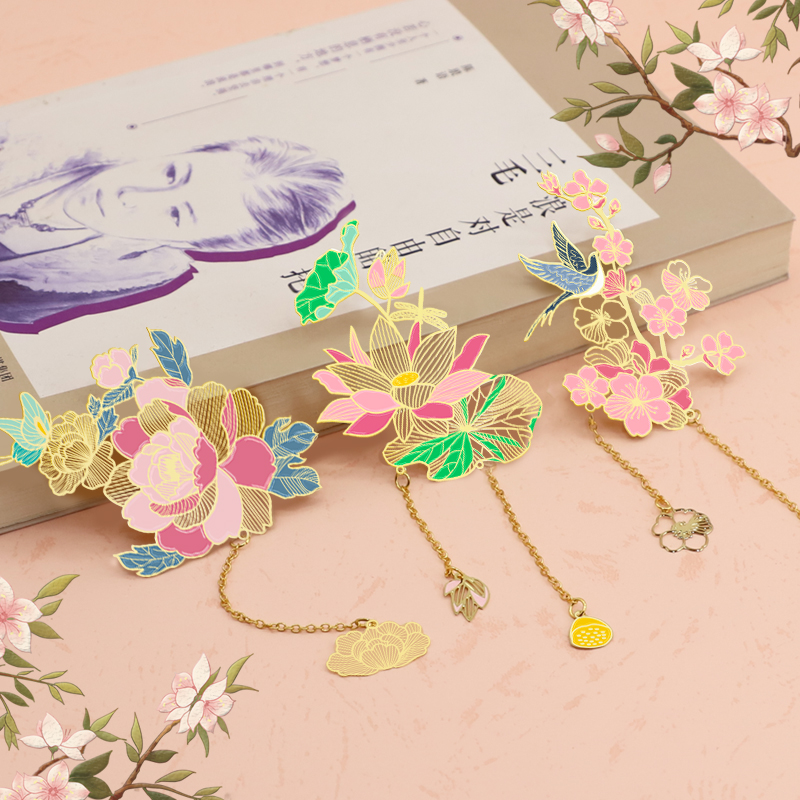
- Museums & Cultural Institutions: Custom souvenirs, such as fridge magnets and bookmarks, are transformed from simple trinkets into educational tools. By incorporating elements from collections, museums can extend their brand reach. We have partnered with institutions like the Palace Museum and National Museum to create culturally significant merchandise.
- Sports Events: Marathon medals and sports competition awards require durability and prestige. Our capability to handle phased delivery supports event organizers in managing logistics efficiently.
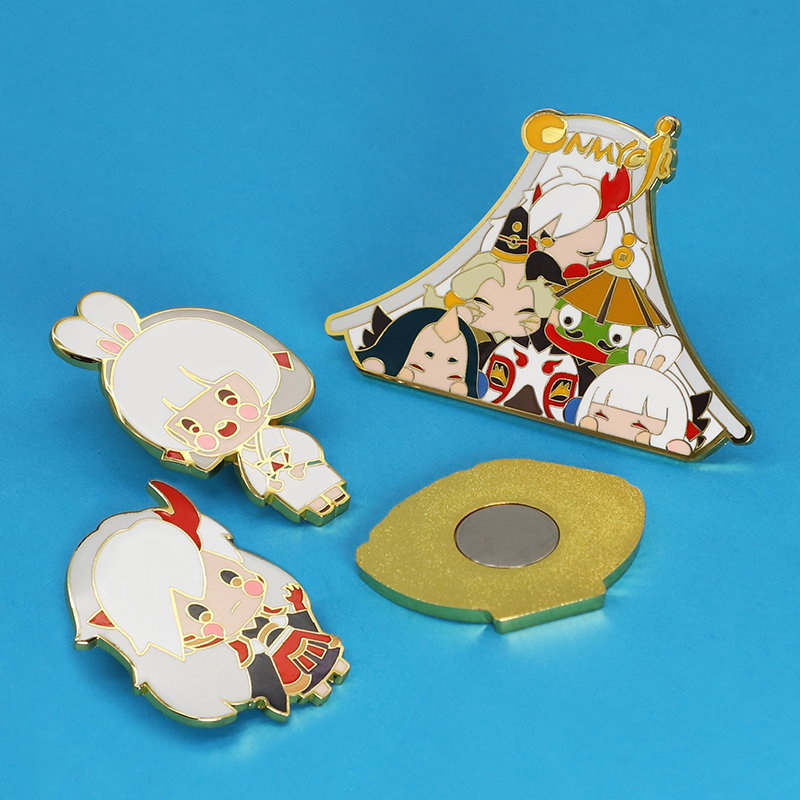
- Gaming & IP Brands: Character collectibles and IP collaboration products are increasingly popular. High-quality enamel badges serve as premium collectibles that fans cherish.
Ensuring Quality and Ethical Standards
In the global market, compliance and ethical manufacturing are non-negotiable. As a SEDEX 4P Ethical Trade Audit compliant and ISO 9001 certified manufacturer, we prioritize transparency and quality management. Being Disney License Audit compliant further underscores our commitment to meeting international safety and ethical standards.
These certifications are not just badges of honor; they are assurances for our clients that their corporate badges are produced in a facility that respects labor rights and maintains rigorous quality standards. This is particularly crucial for global brands and museums that require documented proof of ethical sourcing.
Partnering with the Right Manufacturer
Choosing the right partner for badge manufacturing is as important as the design itself. A manufacturer that offers in-house production capabilities—from metal crafting to electroplating—can better control costs, timelines, and quality. Unlike trading companies, a direct manufacturer like Xiexing Gift can offer greater flexibility in customization and more reliable after-sales support.
To learn more about our facility, history, and commitment to creative gifts, visit our About Us page.
Share this entry
FAQ
Further Reading
Complete Guide to Custom Badges for Corporate Branding !Complete Guide to Custom Badges for Corporate Branding In the landscape of corporate identity and brand promotion, few items possess the versatility and enduring appeal of custom badges. From employee recognition programs to high-end promotional merchandise, these small yet significant artifacts serve as tangible representations of a company's ethos. For brand managers and procurement professionals, understanding the nua
_1784103745596.webp)
_1784103723073.webp)