Small-Batch Customization: Low MOQ Solutions for Startups and Brands
Shenzhen Xiexing Gift Co., Ltd
Contents
!Small-Batch Customization: Low MOQ Solutions for Startups and Brands
For emerging brands and startups, the journey from concept to market presence is often blocked by a significant barrier: the Minimum Order Quantity (MOQ). Traditional manufacturing models are built for scale, forcing new businesses to commit to large production runs that tie up capital and increase inventory risk. We recognize that in the fast-paced world of branding and retail, agility is just as valuable as volume. This guide explores how low MOQ strategies are reshaping the landscape for custom manufacturing, allowing startups to launch, test, and scale with confidence.
The Strategic Advantage of Low Minimum Order Quantities
The concept of MOQ is often dictated by the fixed costs of tooling, machine setup, and material sourcing. In the past, a startup needing custom metal keychains or branded pins might be required to order thousands of units to make a production run viable for the factory. However, the paradigm has shifted. Small batch customization is no longer a niche request but a standard offering for forward-thinking manufacturers.
By lowering the entry threshold, manufacturers enable startups to adopt a "lean inventory" approach. Instead of sinking budget into thousands of units that may or may not resonate with their audience, brands can order limited runs—sometimes as low as 100 units—to gauge market reaction. This flexibility is critical for:
- Market Testing: Releasing a prototype to a test group before a full rollout.
- Crowdfunding Fulfillment: Producing exact quantities for backers without excess surplus.
- Limited Edition Drops: Creating hype through scarcity without overcommitting resources.
We observe that brands utilizing low-minimum options can pivot their designs based on real-time feedback, reducing the risk of obsolescence. For a deeper understanding of how these limits apply to specific product lines, our Product & Applications FAQ provides detailed insights into category-specific constraints.
Prototype Manufacturing: Validating Startup Gifts
One of the most powerful applications of small batch customization is in the realm of prototype manufacturing. Before a brand commits to a final design, a physical prototype serves as the ultimate validation tool. It bridges the gap between a digital render and the tangible product.
For startups, the ability to produce a few units of a custom gift—be it a die-struck medal or a 3D embossed keycap—is invaluable. It allows for the verification of weight, texture, and finish. We often see clients in the gaming and IP industries use this stage to test the durability of moving parts or the vibrancy of enamel colors. This step ensures that the final startup gifts align perfectly with the brand's quality standards.
A robust sample policy accelerates this process. With a typical sample lead time of 3-7 days, the iteration cycle is compressed from months to weeks. This speed is vital for startups operating on tight launch schedules. To understand the cost implications of these initial steps, reviewing the MOQ & Pricing FAQ can help budget for both sampling and production phases.
Product Categories and Flexible MOQs
Not all products are created equal when it comes to manufacturing constraints. While a standard production run might require higher volumes, specific categories are exceptionally well-suited for small batch customization. The table below outlines typical MOQ ranges for common custom gift categories:
| Product Category | Typical Low MOQ Range | Best For |
|---|---|---|
| Trophies | 10+ pieces | Corporate awards, sports events, recognition gifts |
| Medals | 50+ pieces | Marathons, competitions, commemorative events |
| Keychains | 100+ pieces | Brand merchandise, event giveaways, retail |
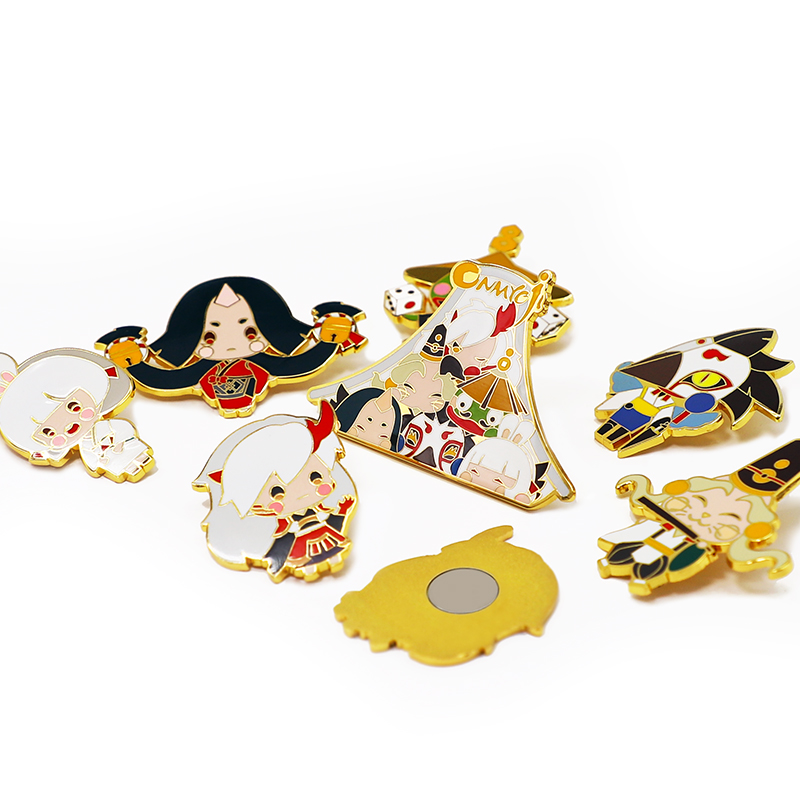
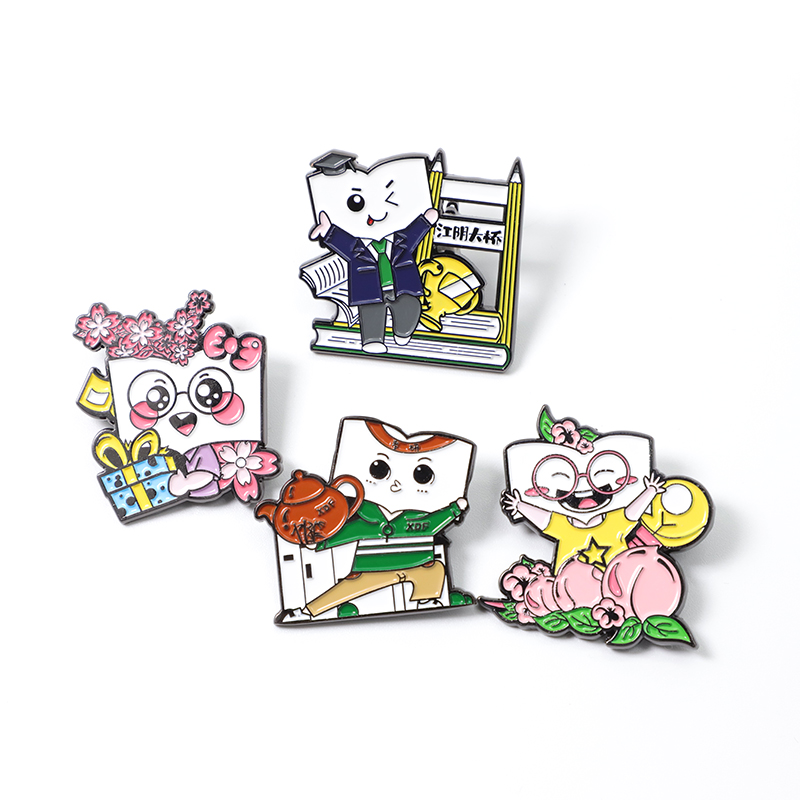
| Badges & Pins | 100+ pieces | Corporate identity, clubs, promotional campaigns |
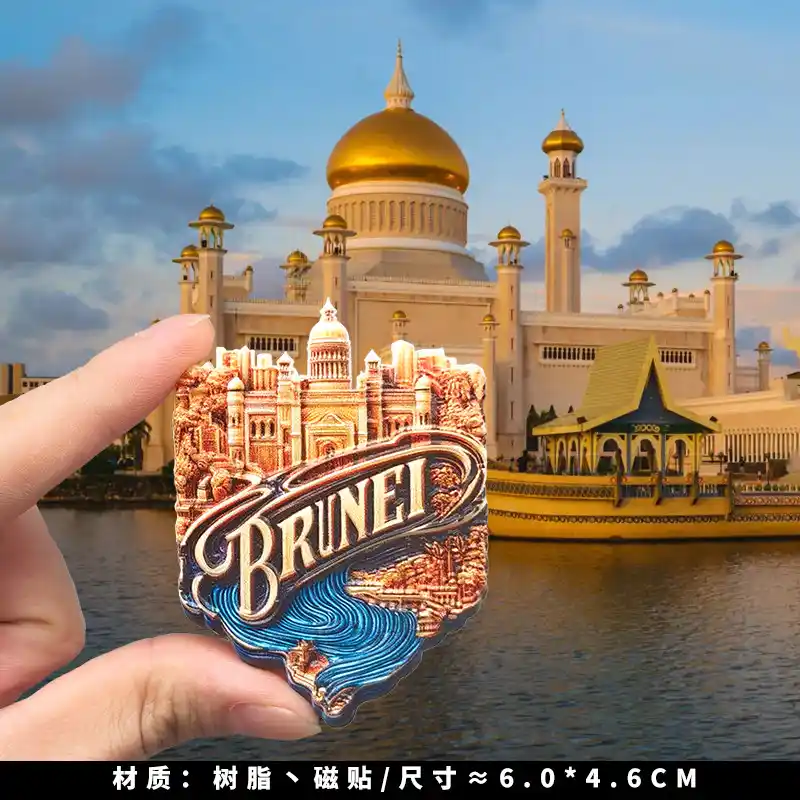
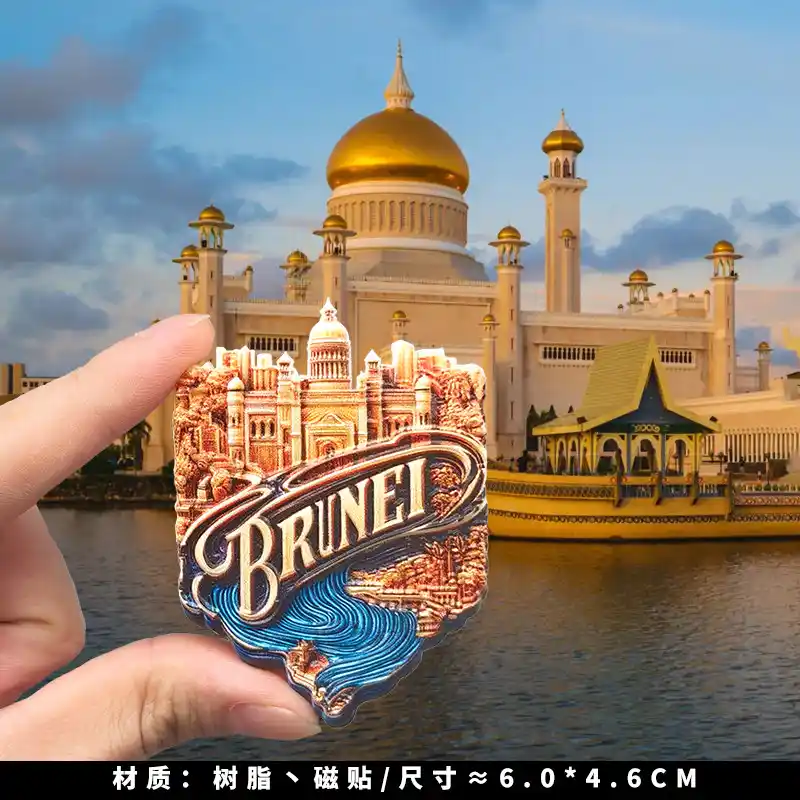
| Fridge Magnets | 100+ pieces | Museum souvenirs, tourist attractions, retail |
Note: Quantities may vary based on complexity and process requirements.
Trophies, in particular, offer exceptional flexibility with thresholds starting as low as 10 units. This allows even small teams to commission high-quality, custom recognition awards without warehousing hundreds of spares. For items like badges and keychains, the 100-unit mark remains the industry standard for balancing cost-efficiency with accessibility.
Ensuring Quality in Small Batch Customization
A common misconception is that lower quantities equate to lower quality. We maintain that small batch orders should undergo the same rigorous quality control checks as mass production runs. Whether it is a 100-piece order or a 10,000-piece run, the integrity of the metal craftsmanship—stamping, die-casting, electroplating, and enamel filling—must remain consistent.
Quality assurance in small batches focuses on:
- Pre-Production Verification: Confirming mold details and material specifications before the first strike.
- In-Process Inspection: Checking enamel fill levels and plating thickness during the run.
- Final Audit: A multi-point inspection before packaging to ensure no defects slip through.
Adherence to international standards, such as ISO 9001 Quality Management Systems, provides a framework for this consistency. Furthermore, ethical compliance through audits like SEDEX 4P ensures that small batch production meets global standards for labor and safety, a crucial factor for brands exporting to North America and Europe. To verify the credentials and history of a potential partner, visiting the About Us section of a manufacturer's profile can offer transparency regarding their operational history and certifications.
Streamlining the Customization Process
For a startup, navigating the technicalities of manufacturing can be daunting. A streamlined workflow is essential. The process typically begins with a design consultation, often provided free of charge, to translate a brand's vision into a manufacturable file. This stage involves selecting the right materials (zinc alloy, iron, copper) and processes (soft enamel, hard enamel, print).
We emphasize the importance of clear communication regarding spec sheets and packaging requirements. For startups looking to establish a brand identity, private labeling options—such as custom backing cards for pins or specialized gift boxes—add significant value. Since small batch customization is often about testing the waters, a manufacturer that supports multi-SKU orders within a single shipment can drastically simplify logistics.
Conclusion
The era of being forced into mass production to access custom manufacturing is over. With flexible MOQ solutions, startups can now prototype, test, and launch custom gifts with minimal financial risk. By leveraging small batch customization, brands maintain the agility needed to survive and thrive in competitive markets. Whether it is a set of prototype medals for a focus group or a limited run of branded keychains for a launch event, the right manufacturing partner turns constraints into possibilities.
Share this entry
FAQ
Further Reading
Small-Batch Customization: Low MOQ Solutions for Startups and Brands !Small-Batch Customization: Low MOQ Solutions for Startups and Brands For emerging brands and startups, the journey from concept to market presence is often blocked by a significant barrier: the Minimum Order Quantity (MOQ). Traditional manufacturing models are built for scale, forcing new businesses to commit to large production runs that tie up capital and increase inventory risk. We recognize that in the
_1783850581413.jpg)