Museum and Cultural Institution Merchandise: Trends and Opportunities
Shenzhen Xiexing Gift Co., Ltd
Contents
!Museum and Cultural Institution Merchandise: Trends and Opportunities
The global market for cultural institution gifts has evolved far beyond simple postcards and keychains. Today, museum merchandise represents a sophisticated retail category that bridges education, branding, and commerce. According to industry analysis, cultural institution gift retail has grown into a $2.5 billion global market with approximately 8% annual growth, driven by experiential tourism and demand for authentic heritage products.
As a manufacturer deeply embedded in this sector, we have witnessed firsthand how institutions are reimagining their retail strategies. Museums, galleries, and cultural sites now view merchandise not merely as a revenue stream but as an extension of their mission—tangible touchpoints that visitors carry home.
Understanding the Museum Merchandise Ecosystem
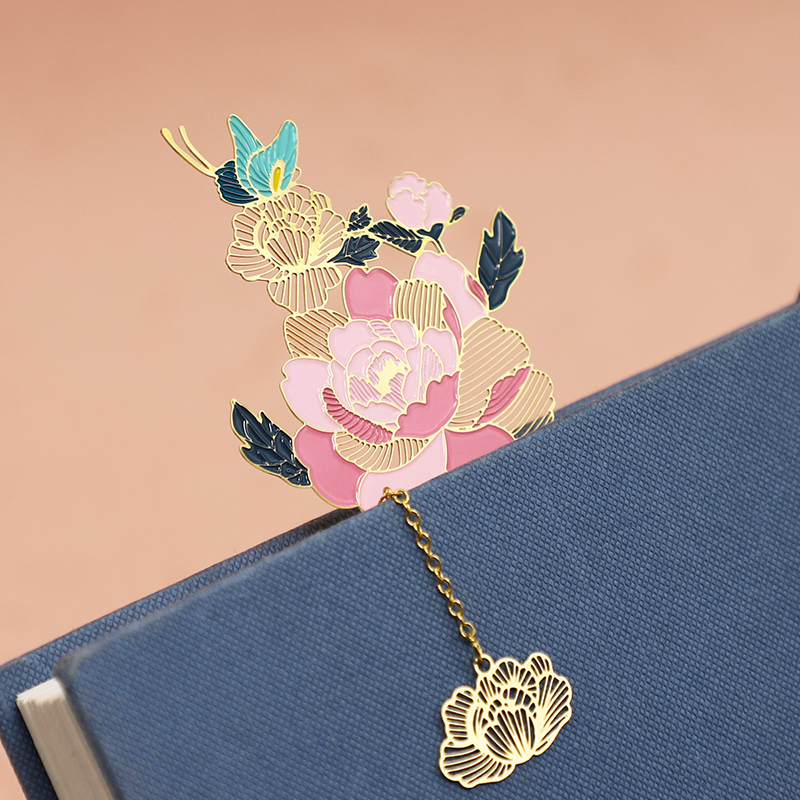
Museum merchandise occupies a unique position in the retail landscape. Unlike generic promotional products, these items carry cultural significance and storytelling value. A well-designed souvenir transforms a collection artifact into something personal—a badge that references a beloved painting, a bookmark replicating an ancient motif, or a magnet that captures an iconic architectural detail.
The sector encompasses several product categories:
- Commemorative items: Medals, coins, and trophies marking special exhibitions or anniversaries
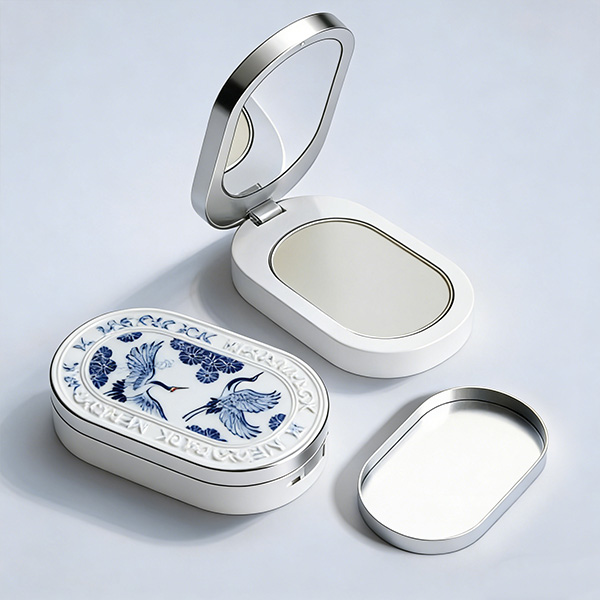
- Functional souvenirs: Keychains, magnets, compact mirrors, and keycaps
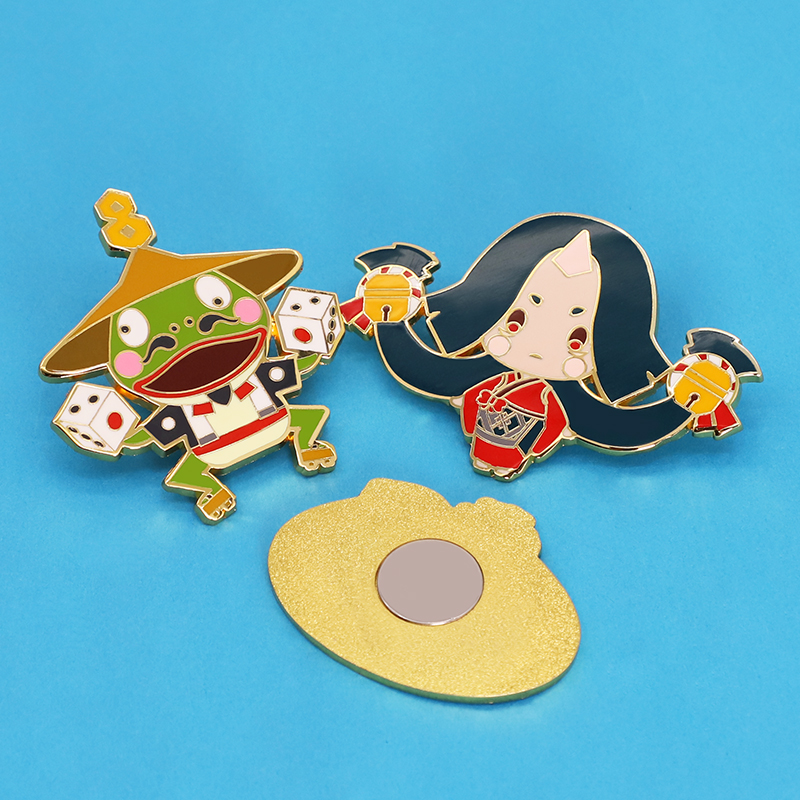
- Collectibles: Limited-edition figurines, character products, and IP collaboration pieces
- Corporate gifts: Premium items for donor recognition and institutional partnerships
Each category demands different manufacturing approaches, material selections, and quality standards. For institutions seeking reliable production partners, understanding these nuances is essential. Our FAQ Help Center provides additional guidance on navigating product selection and customization options.
Key Trends Reshaping Cultural Gift Retail
Experiential Tourism Driving Demand
Modern museum visitors seek immersive experiences. They want to engage with collections intellectually and emotionally—and they want physical mementos that reflect that engagement. This shift has elevated souvenir design from generic replication to thoughtful interpretation.
Institutions now commission products that tell stories. A bookmark might feature a calligraphic detail from a manuscript, accompanied by a brief explanation of its historical context. A magnet set might represent different periods in an artist's career. These narrative-driven products command higher perceived value and foster deeper visitor connections.
Authenticity and Cultural Sensitivity
Today's consumers are increasingly discerning about authenticity. Mass-produced items with superficial cultural references face skepticism. Successful museum merchandise reflects genuine engagement with source material—accurate reproductions, culturally appropriate designs, and meaningful connections to institutional identity.
This trend demands manufacturing partners who understand cultural sensitivity. Color accuracy, material authenticity, and production techniques must respect the original artifacts. A metal badge replicating an ancient coin, for instance, requires careful attention to texture, patina effects, and dimensional accuracy.
Small-Batch Customization and Flexibility
Gone are the days when institutions ordered thousands of identical items and stored them indefinitely. Modern retail strategies favor agility: smaller initial orders, faster replenishment, and seasonal rotations tied to exhibitions.
Manufacturing partners must adapt accordingly. At Xiexing Gift, we support minimum order quantities starting from 100 pieces for most categories—with trophies available from just 10 units. This flexibility allows museums to test new designs without excessive inventory risk, respond quickly to unexpected demand, and maintain fresh product assortments.
Manufacturing Excellence for Cultural Products
Producing high-quality cultural gifts requires specialized capabilities that distinguish serious manufacturers from commodity suppliers.
In-House Metal Craftsmanship
Metal remains a preferred material for premium cultural merchandise. Its durability, weight, and ability to capture fine details make it ideal for badges, medals, coins, and decorative items. However, quality varies dramatically based on production processes.
Our facility in Shenzhen maintains complete in-house control over key metalworking techniques:
| Process | Application | Quality Indicators |
|---|---|---|
| Stamping | Badges, keychains | Precise edges, consistent relief |
| Die-casting | Figurines, complex shapes | Minimal porosity, sharp details |
| Enamel filling | Color badges, emblems | Even coverage, color stability |
| Electroplating | Finishes, protective coatings | Uniform coverage, adhesion |
| Laser marking | Personalization, fine text | Clean lines, permanence |
This integrated approach ensures quality control at every stage. Unlike trading companies that coordinate across multiple subcontractors, manufacturers with in-house capabilities can guarantee consistency and respond quickly to adjustments.
Advanced Decoration Techniques
Modern museum merchandise often requires sophisticated decoration beyond traditional methods. We employ several advanced techniques:
- 3D embossing: Creating dimensional effects that replicate sculptural details
- Dual-injection molding: Combining materials for functional and aesthetic benefits
- Dye sublimation: Transferring full-color artwork onto metal and polymer surfaces
- Laser engraving: Permanent personalization without consumables
These capabilities enable institutions to create distinctive products that stand apart from generic alternatives.
Design Considerations for Institutional Partners
Effective museum merchandise begins with thoughtful design. Several factors determine whether a product succeeds commercially and culturally.
Intellectual Property and Licensing
Cultural institutions often hold rights to collection images, architectural elements, and institutional identity. Manufacturing partners must understand licensing compliance and documentation requirements.
We maintain Disney License Audit compliance and have extensive experience working with major institutions including the Palace Museum and National Museum in China. This background ensures we understand the contractual and procedural requirements that protect institutional interests.
Material and Process Selection
Different products demand different materials. A children's museum might prioritize durable, safe plastics for interactive items. An art museum might prefer metal and wood for a premium aesthetic. Historical sites might request materials that echo period authenticity.
Material selection affects not only appearance but also durability, cost, and environmental impact. We provide detailed specifications and samples to help institutions make informed decisions.
Packaging and Presentation
First impressions matter. Packaging protects products during transit and storage, but it also communicates value. A beautifully packaged item feels like a gift rather than a commodity.
We offer various packaging options—from simple polybags to custom-designed boxes with institutional branding. Private label services allow institutions to maintain consistent brand identity throughout the customer experience.
Partnership Models for Cultural Institutions
Institutions approach merchandise manufacturing through various partnership structures.
OEM (Original Equipment Manufacturer)
The institution provides complete specifications—designs, materials, dimensions, finishes. The manufacturer produces exactly to specification. This model suits institutions with established design capabilities and clear product visions.
ODM (Original Design Manufacturer)
The manufacturer proposes designs based on institutional input. This model benefits institutions seeking creative support or exploring new product categories. We offer free design consultation and can develop concepts from institutional imagery, architectural elements, or collection highlights.
Collaborative Development
Many successful partnerships blend both approaches. The institution provides strategic direction and brand guidelines; the manufacturer contributes technical expertise and production knowledge. This collaboration often yields the most distinctive products.
Our About Us page details our company history and capabilities supporting these partnership models.
Quality Assurance and Compliance
Institutional buyers face heightened scrutiny regarding product safety, ethical sourcing, and environmental responsibility. Manufacturing partners must demonstrate verifiable compliance.
Certifications and Audits
We maintain several certifications relevant to institutional procurement:
- SEDEX 4P Ethical Trade Audit: Verifying responsible labor practices and workplace conditions
- ISO 9001 Quality Management System: Ensuring consistent quality processes
- Disney License Audit Compliance: Meeting stringent IP protection and production standards
These certifications provide documented assurance for procurement teams and institutional stakeholders.
Quality Control Processes
Quality issues damage institutional reputation. We implement multi-point inspection throughout production, with final inspection before shipment. This systematic approach catches defects early and ensures delivered products meet specifications.
Ethical and Environmental Considerations
Modern institutions increasingly prioritize ethical sourcing. Visitors and stakeholders expect transparency about where and how products are made. Factory audits and certification documentation support institutional accountability.
We welcome factory audits and provide comprehensive documentation including material specifications, safety testing reports, and chain-of-custody records for licensed materials.
Share this entry
Further Reading
Museum and Cultural Institution Merchandise: Trends and Opportunities !Museum and Cultural Institution Merchandise: Trends and Opportunities The global market for cultural institution gifts has evolved far beyond simple postcards and keychains. Today, museum merchandise represents a sophisticated retail category that bridges education, branding, and commerce. According to industry analysis, cultural institution gift retail has grown into a $2.5 billion global market with appr