2026 Year in Review: Cultural Creative Gift Industry Trends
Shenzhen Xiexing Gift Co., Ltd
Contents
!2026 Year in Review: Cultural Creative Gift Industry Trends
The global gift and promotional products sector has undergone a profound transformation in 2026. As we navigate a post-pandemic landscape where brand connection and tangible value reign supreme, the industry has solidified its role as a critical touchpoint for customer engagement. No longer just about "swag," the modern gift has evolved into a sophisticated vehicle for storytelling, sustainability, and digital integration.
At Shenzhen Xiexing Gift Co., Ltd, we have witnessed these shifts firsthand from our manufacturing base in Shenzhen. With over 15 years of experience in custom metal gifts, we have moved beyond simple production to become strategic partners for brands navigating these changes. This analysis reviews the pivotal movements of 2026 and offers a predictive outlook for 2027.
The Macro Landscape: A 6.2% Growth Trajectory
The most significant headline for the year is the industry's resilience. The promotional products industry is projected to grow 6.2% annually through 2027, defying broader economic uncertainties. This growth is not evenly distributed, however. It is heavily skewed toward high-value, custom cultural creative gifts rather than generic commodities.
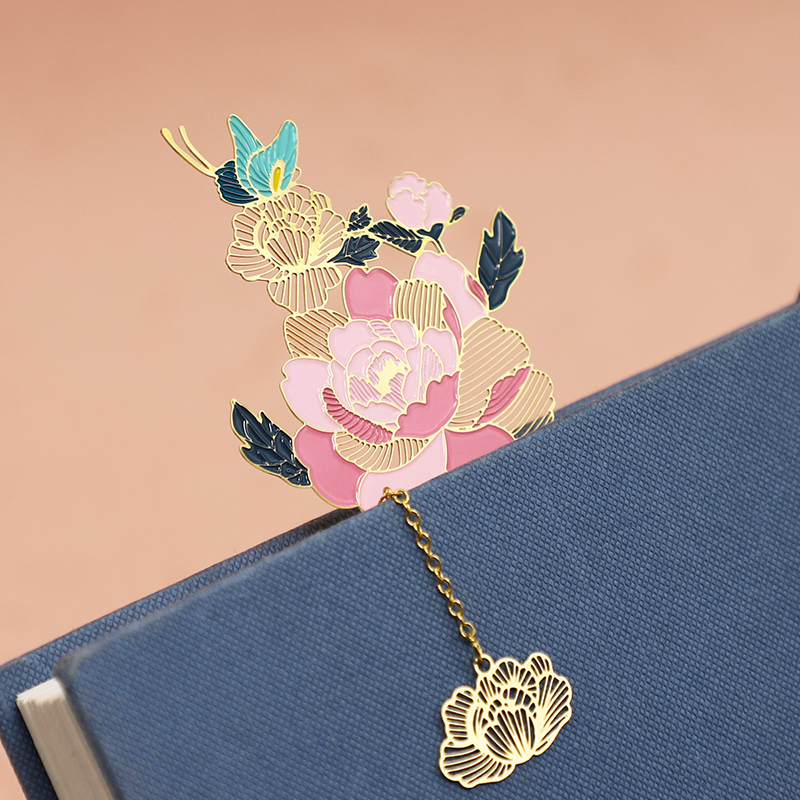
A deep dive into gift industry trends 2026 reveals that brands are moving away from disposable items. The "throwaway culture" of promotional products is being replaced by a demand for durability and aesthetic longevity. For instance, our partners in the museum and cultural institution sector—such as the Palace Museum and National Museum—have reported higher engagement rates with metal badges and bookmarks that serve as keepsakes rather than temporary trinkets. This shift necessitates a rethinking of product lifecycles, favoring metal craftsmanship over short-lived plastics.
Sustainability as a Non-Negotiable Standard
Sustainability has moved from a "nice-to-have" to a core procurement requirement. In 2026, "green" gifting evolved beyond recycled paper to include metal durability and ethical supply chains.
Ethical Manufacturing & Compliance
Global brands are now demanding transparency in the supply chain. This is where compliance standards like SEDEX 4P Ethical Trade Audit and ISO 9001 Quality Management System become critical differentiators. Buyers are no longer just asking for a price quote; they are asking for the factory's social responsibility audit reports.
As a manufacturer, we have adapted by ensuring our in-house processes—from stamping to electroplating—meet international environmental standards. The ability to provide ethical certification is now a prerequisite for entering markets in Europe and North America, regions that lead the demand for responsible sourcing.
Materiality and Longevity
The concept of "sustainable gifts" has shifted toward materials that last. Metal gifts, such as enamel pins, die-cast medals, and zinc alloy keychains, inherently offer a longer lifespan than plastic alternatives. This aligns with the consumer desire for products that do not contribute to landfill overflow. The trend suggests that "quality" is the new "sustainability"—a well-made metal trophy or figurine is kept for years, extending the brand's visibility.
The Rise of Hyper-Personalization and Cultural Resonance
The 2026 promotional products outlook is defined by "Cultural Creative" (Wenchuang) influence. This trend, originating in the museum sector, has permeated corporate branding.
From Logo-Slap to Narrative Design
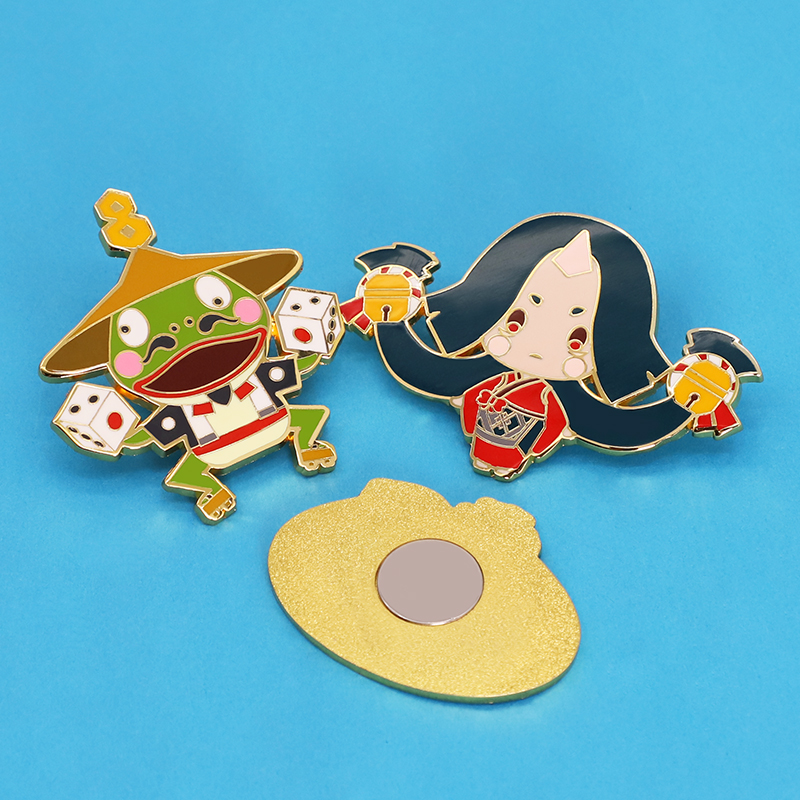
The old model of simply printing a logo on a generic item is obsolete. Brands are now seeking "narrative objects"—products that tell a story. For example, gaming and IP brands are collaborating with manufacturers to create character collectibles and peripherals that fans actually want to buy, rather than just receive for free.
This requires a shift in manufacturing capability. It is no longer sufficient to offer simple printing. Advanced processes like 3D embossing, dual-injection molding, and laser engraving are now standard requirements to bring complex designs to life.
Solving the "Small Batch" Dilemma
A major friction point in the industry has historically been high Minimum Order Quantities (MOQs), forcing smaller brands or niche campaigns into a corner. 2026 saw the democratization of customization. Manufacturers have optimized lines to support small-batch customization and multi-SKU orders.
We have seen a surge in demand for MOQs as low as 100 pieces (and even 10 pieces for trophies), allowing brands to test market reactions without high inventory pressure. This flexibility is crucial for the "trial order" culture that defines modern agile marketing. For specific application scenarios and product options, our Product & Applications FAQ provides detailed guidance on matching materials to campaign goals.
Technological Integration: Digital Meets Physical
While the gift industry is tangible, the influence of digital technology is pervasive. The gift market analysis for 2026 highlights two key intersections:
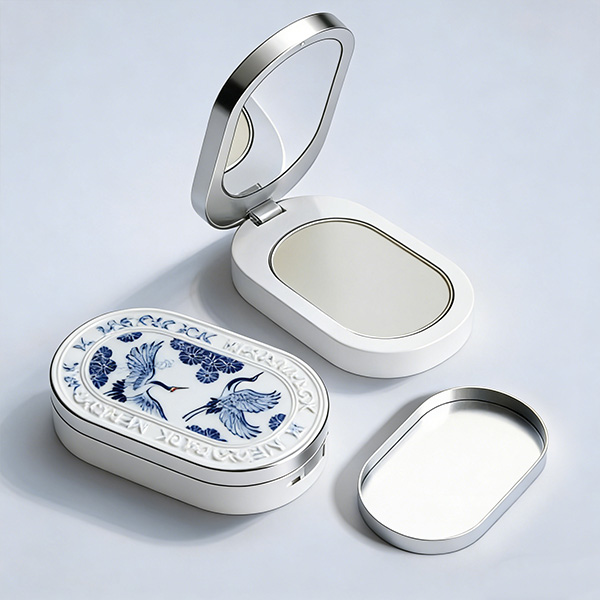
- Digital Integration: The rise of "smart" gifts, such as keycaps for mechanical keyboards or solid perfume boxes with NFC tags for authentication, bridges the physical-digital divide.
- Virtual Sampling: The procurement process has been digitized. With 3-7 days sample lead time being the new standard, the ability to visualize products through advanced rendering before physical sampling has become essential for speeding up the development cycle.
Strategic Sourcing for 2027
Looking ahead to 2027, the primary challenge for procurement professionals and brand managers will be finding reliable partners who can navigate the complexities of custom design, ethical compliance, and flexible production.
The Manufacturer Advantage
The distinction between trading companies and manufacturers has never been more important. A trading company can source a product, but a manufacturer can engineer it. When dealing with custom metal gifts, having an in-house factory (~6,000 m²) allows for rigorous quality control (QC) and faster turnaround times.
For brands looking to scale, the ideal partner offers a one-stop service from design to delivery. This reduces the friction of coordinating between design agencies, molding factories, and assembly lines. To understand more about our operational philosophy and history, visit our About Us page.
Preparing for the Next Wave
The trends suggest that 2027 will see a continued blend of "high-touch" and "high-tech." We anticipate:
- Greater demand for mixed-media products: Combining metal with leather, wood, or resin.
- IP Collaboration explosion: More brands licensing characters for corporate gifts.
- Supply chain transparency: Blockchain or digital ledger tracking for product provenance.
Conclusion
The gift industry in 2026 is characterized by a maturation of purpose. It is no longer enough to give; one must give meaning. Whether through sustainable metal craftsmanship, culturally resonant designs, or agile manufacturing processes that respect MOQ constraints, the industry is moving toward a more thoughtful, strategic future.
For brand leaders, the path forward involves partnering with manufacturers who understand these nuances—factories that view compliance as a baseline and creativity as a standard. As we move into 2027, the brands that succeed will be those that treat promotional products not as line items, but as assets in their cultural and marketing strategy.
Share this entry
FAQ
Further Reading
2026 Year in Review: Cultural Creative Gift Industry Trends !2026 Year in Review: Cultural Creative Gift Industry Trends The global gift and promotional products sector has undergone a profound transformation in 2026. As we navigate a post-pandemic landscape where brand connection and tangible value reign supreme, the industry has solidified its role as a critical touchpoint for customer engagement. No longer just about "swag," the modern gift has evolved into a sophisticated