Medal Design Essentials: Symbols, Materials, and Finishes
Shenzhen Xiexing Gift Co., Ltd
_1784103723073.webp)
Contents
!Medal Design Essentials: Symbols, Materials, and Finishes_1784103723073.webp)
Creating a medal is an exercise in storytelling. Whether for a marathon, a corporate anniversary, or an academic competition, the award serves as a tangible testament to achievement. As specialists in medal manufacturing, we understand that the difference between a generic token and a cherished keepsake lies in the details. Effective medal design balances aesthetic appeal, symbolic weight, and physical durability.
When approaching a new project for custom medals, the design process generally follows a structured path: defining the narrative, selecting the material, and choosing the finish. Each decision impacts the final look, feel, and cost of the product.
The Role of Symbolism in Medal Design
A medal must communicate instantly. It captures the spirit of an event, the history of an organization, or the prestige of a competition. The visual elements are the vocabulary of this language.
Visual Hierarchy and Composition
The most successful designs prioritize clarity. A common mistake is attempting to include too much detail. For sports medals, the primary focus is often the event logo or the specific sport icon. The text—usually the event name and date—should orbit the central image without cluttering the visual field.
We often advise clients to consider the "3-Foot Rule": the design should be legible and distinct from three feet away. This ensures that the medal looks impressive when worn, not just when examined closely.
Incorporating Event Identity
For event organizers, the medal is a branding tool. It must align with the event's broader visual identity. If the event uses a specific font or color palette, these should be reflected in the medal design. For instance, a marathon might use dynamic, sweeping lines to suggest motion, while a corporate recognition award might employ cleaner, geometric shapes to denote stability and professionalism.
Material Selection: The Foundation of Quality
The choice of metal sets the stage for the medal's weight and perceived value. While the visual design catches the eye, the tactile experience—heft and texture—confirms quality.
Zinc Alloy vs. Copper vs. Iron
In modern medal manufacturing, zinc alloy is the predominant choice due to its versatility. It allows for intricate 3D relief details and is cost-effective for medium to large quantities. Copper, being denser and heavier, is often reserved for high-end commemorative coins or prestigious awards where weight is a primary indicator of value. Iron is the most economical option, suitable for large-scale promotional giveaways where budget constraints outweigh the need for heavy weight or fine detailing.
Alternative Materials
Innovation in medal design has expanded the material palette. We frequently incorporate materials like acrylic, wood, or even stone to create unique textures. For example, a sustainability-focused event might opt for wood or recycled metal, finished with laser engraving rather than traditional plating. These choices make the award stand out in a sea of standard metal finishes.
For those interested in the specific properties and limitations of different alloys and plating options, our Materials & Process FAQ provides a detailed breakdown of technical specifications.
Finishing Techniques: Color and Texture
The finish is where the design comes to life. It dictates the color vibrancy, the texture, and the longevity of the piece. The two most prominent techniques in the industry are soft enamel and hard enamel.
Soft Enamel vs. Hard Enival
This is a critical decision point for any buyer.
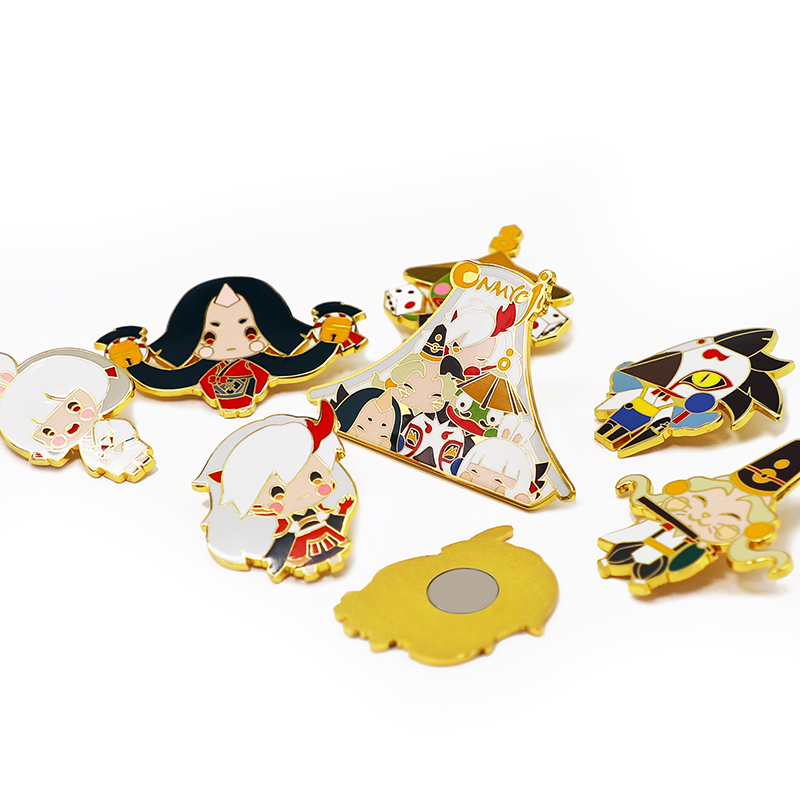
- Soft Enamel: This technique offers a textured feel, where the metal lines (called "die lines") are raised, and the enamel colors are recessed. Soft enamel allows for vibrant colors and is generally more cost-effective. It is ideal for complex designs with fine details. As noted in our production guidelines, soft enamel offers vibrant colors with a textured feel, making it a favorite for sports medals where dynamic color blocking is essential.
- Hard Enamel: Also known as epola or cloisonné, this finish involves multiple polishing steps that grind the enamel down to the same level as the metal. The result is a smooth, glass-like surface. While generally more expensive, hard enamel provides a smooth, glass-like surface suitable for detailed intricate designs that require a premium, jewelry-quality finish.
Plating Options
Plating defines the metal color. While gold, silver, and bronze are traditional for competitions, modern medal design embraces "antique" finishes. An antique finish involves applying a dark pigment to the recessed areas and then polishing the raised surfaces, creating a high-contrast, vintage look. Other popular platings include matte gold, shiny nickel, and dual-plating (e.g., gold edges with a silver center).
Structural Integrity and Functionality
Design is not just about the front face. The structural engineering of the medal ensures it hangs correctly and withstands the rigors of wear.
Attachment Methods
The method of attaching the ribbon is a crucial design element.
- Top Bar: A separate metal piece attached to the medal via a chain or jump ring. This allows the medal to hang flat against the chest.
- Integrated Hole: The hole is cast directly into the medal design. This is sleeker but requires careful placement so it doesn't interfere with the visual design.
- Slot: A horizontal slot is cut into the top of the medal, allowing the ribbon to loop through. This is common for thinner medals.
Weight and Thickness
A medal that feels "light" or "hollow" diminishes the recipient's sense of achievement. We typically recommend a thickness of 3mm to 5mm for standard awards. Thicker medals (5mm+) convey a sense of luxury and permanence. The weight should be balanced; a top-heavy medal may flip forward when worn, obscuring the design.
Customization Strategies for Different Sectors
Different events demand different approaches to medal design.
Sports and Marathons
For sports medals, the focus is often on the "unboxing" experience and the visual impact of the ribbon. We often see designs that incorporate spinning elements, 3D pop-ups, or bottle opener functions to add utility and novelty. The ribbon design is just as important as the medal itself, often featuring sublimated prints of the event route or sponsor logos.
Corporate and Academic Awards
In corporate settings, the design language shifts towards elegance and brand reinforcement. Hard enamel finishes, combined with premium packaging, are standard here. The design often features a logo or inscription rather than a complex illustration. The goal is to create an object that looks appropriate on a shelf or in a display case for years.
Museum and Cultural Souvenirs
For museums and cultural institutions, the medal acts as a pocket-sized artifact. The design often replicates elements of a collection piece. Here, accuracy and artistic detail are paramount. We often utilize 3D embossing to capture the depth of a sculpture or the texture of a historical artifact.
The Manufacturing Process: From Concept to Delivery
Understanding the manufacturing timeline helps in planning. At Xiexing Gift, the process begins with a design proof. Once approved, a mold is created. For custom designs, the mold-making process is the longest lead time item, but it ensures that every subsequent unit is identical.
We pride ourselves on handling all key processes in-house. From die-striking to coloring and polishing, controlling the workflow allows us to maintain strict quality standards. For clients looking to understand the full scope of our capabilities and ethical compliance, we invite you to learn more About Us.
Quality Assurance and Durability
A medal is meant to last. Quality assurance involves checking for plating adherence, color accuracy, and structural integrity.
- Plating Durability: We test plating to ensure it resists tarnishing under normal wear conditions.
- Color Fastness: Enamels are checked for UV resistance, ensuring colors do not fade over time.
- Safety: All materials are tested to meet international safety standards, a critical requirement for children's awards or items distributed globally.
Conclusion
Designing a meaningful medal requires a blend of artistic vision and technical knowledge. By carefully selecting symbols, materials, and finishes, organizers can create awards that recipients will treasure. Whether you need the textured vibrancy of soft enamel or the polished elegance of hard enamel, the right choices will ensure your medal stands the test of time.
For further inquiries regarding design feasibility, minimum order quantities, or production timelines, please visit our FAQ Help Center.
Share this entry
FAQ
Further Reading
Medal Design Essentials: Symbols, Materials, and Finishes !Medal Design Essentials: Symbols, Materials, and Finishes_1784103723073.webp) Creating a medal is an exercise in storytelling. Whether for a marathon, a corporate anniversary, or an academic competition, the award serves as a tangible testament to achievement. As specialists in medal manufacturing, we understand that the difference between a generic token and a cherished keepsake lies in the details. Effective medal d